


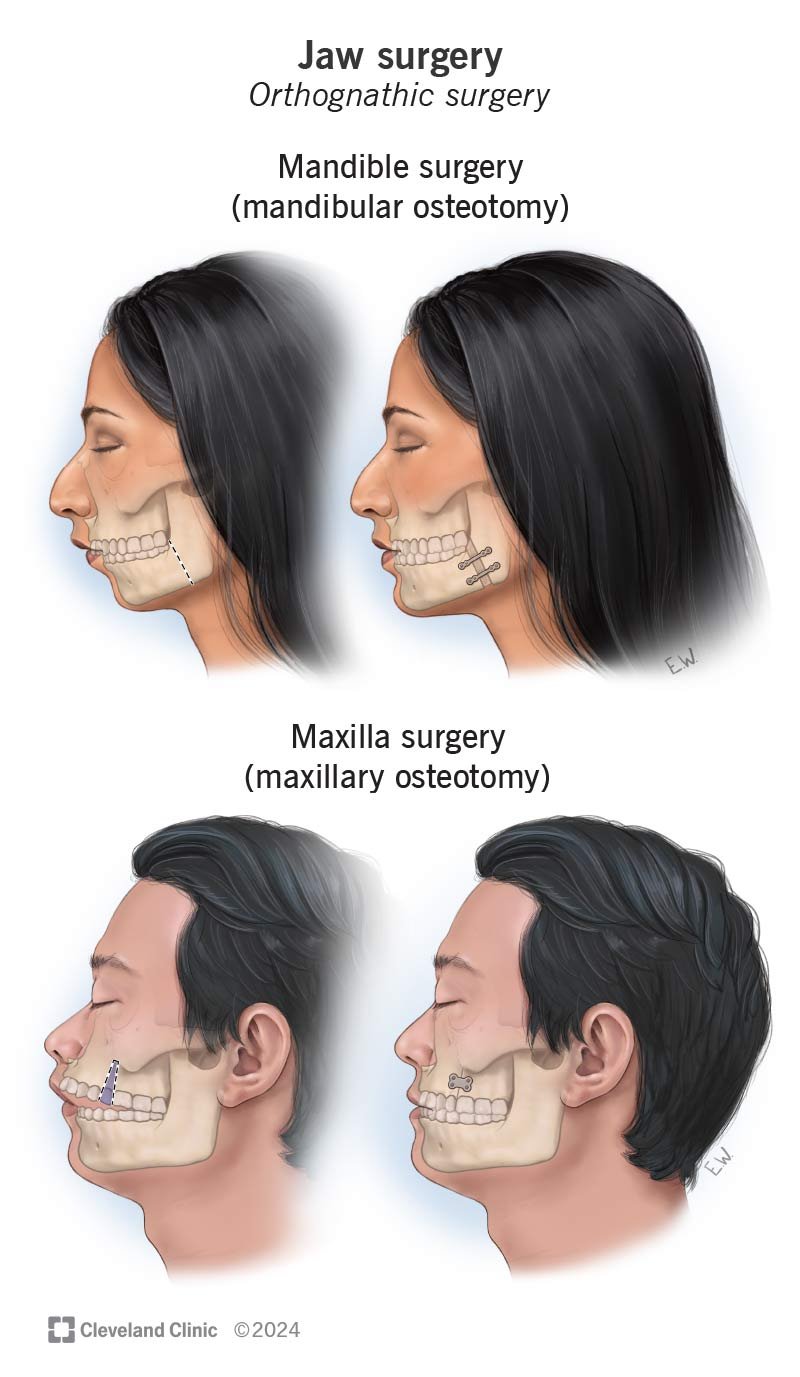
Jaw surgery before and after reveals astonishing transformations. Experience the journey from discomfort to confidence, unveiling a new you. Witness the power of surgical precision in reshaping not just jaws, but lives. Discover the remarkable impact of jaw surgery before and after. Let these stories inspire hope and ignite dreams of a brighter tomorrow.

Jaw Surgery Before and After
Understanding Jaw Surgery Transformation
Welcome to our detailed guide on jaw surgery before and after transformations! Jaw surgery, also known as orthognathic surgery, is a procedure that corrects irregularities of the jaw bones and teeth to enhance both function and aesthetics. In this article, we will delve into the journey of individuals who undergo jaw surgery, exploring the remarkable changes before and after the procedure.
What is Jaw Surgery?
Jaw surgery is a surgical procedure performed by oral and maxillofacial surgeons to realign the jaws and teeth for improved functionality and facial appearance. This transformative surgery can address a range of issues, including misaligned jaws, underbites, overbites, and facial asymmetry.
Before Jaw Surgery
Prior to undergoing jaw surgery, patients undergo a comprehensive evaluation by a multidisciplinary team, including orthodontists, oral surgeons, and other specialists. During this phase, detailed assessments such as X-rays, CT scans, and dental impressions are conducted to create a customized treatment plan.
Orthodontic Preparation
Many patients require orthodontic treatment before jaw surgery to align the teeth properly. Braces are often used to move the teeth into the optimal position for surgery. This pre-surgical orthodontic phase helps ensure the success of the surgical outcome.
Surgical Planning
Surgeons use advanced techniques such as computer-guided imaging and virtual surgical planning to precisely plan the surgery. This technology allows for detailed visualization of the surgical changes before the actual procedure, enhancing accuracy and predictability.
During Jaw Surgery
On the day of the surgery, the patient undergoes general anesthesia to ensure comfort during the procedure. The surgical team carefully performs the planned corrections to the jaws, which may involve repositioning the upper jaw, lower jaw, or both to achieve optimal alignment.
Surgical Techniques
Various surgical techniques are used depending on the specific needs of the patient. These may include cutting and repositioning the jaw bones, reshaping the jawline, or correcting asymmetries to achieve facial harmony.
Recovery Period
After the surgery, patients typically stay in the hospital for a few days for monitoring and pain management. The initial recovery period involves swelling and some discomfort, which can be managed with medications and proper care.
After Jaw Surgery
The post-operative period is crucial for the healing process and the final outcome of the surgery. Patients are closely monitored by the medical team to ensure proper healing and jaw function restoration.
Orthodontic Follow-up
Following jaw surgery, patients continue orthodontic treatment to fine-tune the alignment of the teeth and bite. This phase helps optimize the results of the surgery and achieve long-term stability.
Long-Term Results
Over time, the full benefits of jaw surgery become apparent as the facial appearance settles into its new, harmonious form. Patients often experience improved chewing function, speech, and overall confidence in their appearance.
In conclusion, jaw surgery before and after transformations offer life-changing benefits for individuals seeking to correct jaw irregularities and enhance their facial aesthetics. From the careful planning stages to the transformative surgical procedures and post-operative care, jaw surgery is a comprehensive journey towards a balanced and functional smile.
What REALLY Happens In A Double Jaw Surgery! 😬🦷
Frequently Asked Questions
How long does it take to recover from jaw surgery?
Recovery time after jaw surgery varies from person to person, but typically, patients can expect the initial recovery period to last about 6-8 weeks. During this time, you may experience swelling, discomfort, and dietary restrictions. Full recovery, including the ability to resume normal activities and diet, can take up to several months.
What are the common side effects after jaw surgery?
Common side effects after jaw surgery include swelling, bruising, pain, stiffness, and difficulty opening your mouth. These side effects are normal and part of the healing process. Your healthcare team will provide you with guidelines and medications to manage these symptoms and ensure a smoother recovery.
Can jaw surgery improve my ability to chew and speak?
Yes, jaw surgery can improve your ability to chew and speak. By correcting misalignments, deformities, or other issues with the jaw, the surgery aims to enhance the function of your jaw, teeth, and surrounding structures. This improvement can lead to better chewing efficiency, speech clarity, and overall oral health.
Final Thoughts
In conclusion, jaw surgery before and after can lead to life-changing transformations. Patients experience improved function, aesthetics, and confidence post-surgery. The dramatic results are not only physical but also emotional, enhancing overall quality of life. Consult with a skilled surgeon to explore the possibilities of jaw surgery and its potential benefits.