


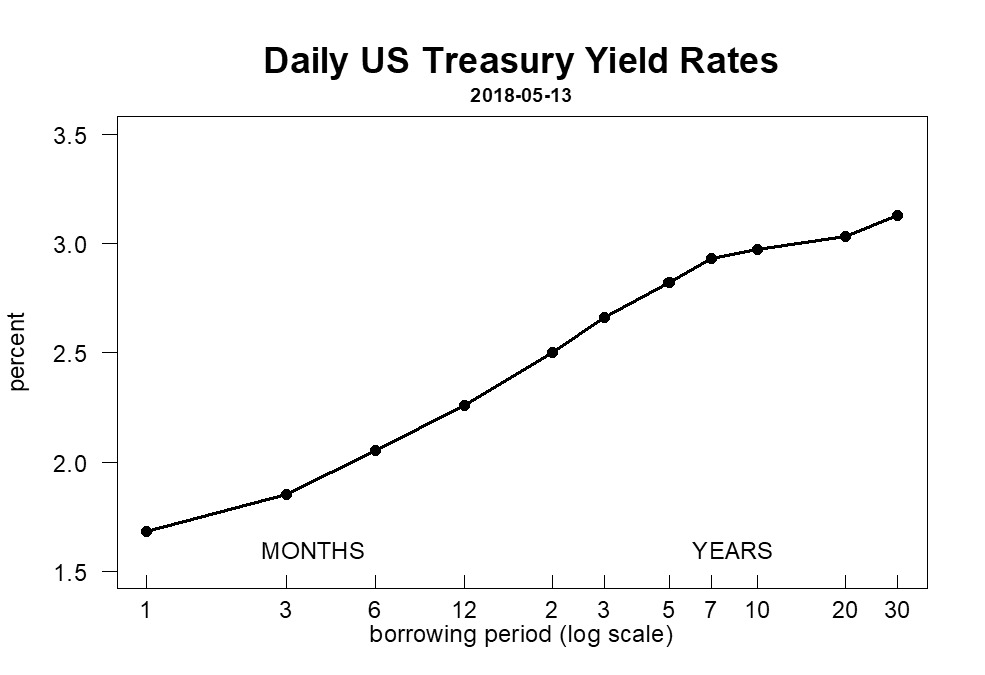
US Treasury yield trends are shaping the market landscape this October. As stocks inch higher and oil prices rise, investors are keen to understand the implications of these changes.
Understanding the Current Market Trends
The recent behavior of the US Treasury yield has drawn significant attention as it retreated from a 24-year high. This shift in the yield curve is indicative of changing market dynamics, providing insights that traders need to consider as they navigate October trading.
Several factors are contributing to the current market trends:
- Economic Indicators: Recent reports on inflation and employment rates have prompted investors to reassess their strategies, leading to fluctuations in the US Treasury yield.
- Monetary Policy Adjustments: The Federal Reserve’s stance on interest rates continues to influence investor sentiment, resulting in a more cautious approach to long-term investments.
- Global Events: Geopolitical tensions and international economic developments are impacting market stability, pushing traders to seek safer assets, including US Treasuries.
As October unfolds, the direction of the US Treasury yield will play a crucial role in shaping market expectations. The recent decline may signal a temporary reprieve for investors concerned about rising borrowing costs. Moreover, with oil prices also on the rise, the interplay between energy markets and government debt will be closely monitored.
In summary, understanding the current market trends surrounding the US Treasury yield is essential for traders looking to adapt to the evolving financial landscape.
Impact of Oil Price Increases
The recent surge in oil prices has significant implications for the US Treasury yield and overall market stability. As oil prices climb, investors are becoming increasingly concerned about inflationary pressures, which could lead to a tightening of monetary policy by the Federal Reserve. This environment creates a complex backdrop for traders navigating the current market landscape.
With the US 10-year Treasury yield retreating from a 24-year high, the relationship between rising oil prices and bond yields is particularly crucial. Typically, higher oil prices can lead to increased transportation and production costs, ultimately contributing to inflation. When inflation expectations rise, investors may demand higher yields on Treasuries to compensate for the eroding purchasing power of future cash flows.
Market analysts suggest that the following factors should be monitored closely in relation to oil price increases:
- Inflation Outlook: Rising oil prices often lead to higher consumer prices, which could influence the Federal Reserve’s interest rate decisions.
- Investment Sentiment: Increased oil prices may boost energy sector stocks, impacting overall market sentiment.
- Geopolitical Risks: Fluctuations in oil supply due to geopolitical tensions can create volatility in the Treasury market.
As traders position themselves for October, understanding these dynamics will be vital in assessing the trajectory of the US Treasury yield and making informed investment decisions.
Analyzing Stock Market Movements
As October trading begins, the stock market is showing signs of resilience, with many investors closely monitoring the fluctuations in the US Treasury yield. The recent drop in the US 10-year Treasury yield has provided a momentary boost to equities, which have been grappling with volatility driven by various economic factors.
Market analysts are observing several key movements that could influence trading strategies in the coming weeks:
- Investor Sentiment: With the US Treasury yield retreating from a 24-year high, market participants are cautiously optimistic. Lower yields often encourage investment in stocks, as they reduce borrowing costs for companies.
- Sector Rotation: There is a noticeable shift toward growth sectors, particularly technology and consumer discretionary, as lower yields provide a favorable backdrop for future earnings growth.
- Global Economic Factors: International economic conditions continue to play a critical role in shaping market dynamics, with oil price increases adding a layer of complexity. Traders are keeping an eye on inflation data and geopolitical tensions that could sway investor confidence.
- Technical Indicators: Chart patterns and technical signals are suggesting potential bullish trends for the market, although caution remains prudent given the unpredictable nature of current events.
In sum, while the decline in the US Treasury yield offers a glimmer of hope, traders should remain vigilant as they navigate through this intricate landscape.
The Significance of Treasury Yields
The recent fluctuation in US Treasury yields has become a focal point for investors as they navigate the complexities of the market. The decline in yields, particularly from the 24-year high reached earlier, signals a shift in investor sentiment and market dynamics. This drop is significant, as Treasury yields often serve as a benchmark for various financial instruments and impact borrowing costs for consumers and businesses alike.
Understanding the correlation between Treasury yields and the broader economy is crucial for traders. When yields fall, it can indicate a flight to safety, with investors seeking refuge in government bonds amidst uncertainty. This behavior can be influenced by multiple factors, including economic data releases, geopolitical tensions, and monetary policy adjustments.
Moreover, lower Treasury yields can stimulate economic activity by making loans cheaper, encouraging spending and investment. However, this scenario can also create a paradox where declining yields reflect underlying economic weaknesses, making it essential for traders to proceed with caution.
As October trading commences, market participants should closely monitor the movement of US Treasury yields for potential signals regarding future market trends. With the interplay of various economic indicators at play, the significance of these yields cannot be overstated.
Expert Predictions for October
As October unfolds, experts are weighing in on the potential implications of the recent drop in the US Treasury yield for traders and investors alike. With the 10-year Treasury yield retreating from its 24-year high, market analysts suggest that this shift may present new opportunities in various sectors.
- Interest Rate Projections: Many analysts predict that the Federal Reserve may adopt a more cautious approach to future interest rate hikes, especially in light of the declining yields. This could lead to a more favorable borrowing environment for consumers and businesses.
- Investment Strategies: Some experts recommend reallocating investments toward sectors that typically benefit from lower yields, such as utilities and consumer staples, which may see increased demand as borrowing costs decrease.
- Market Sentiment: Traders are advised to keep a close eye on economic indicators, including employment rates and inflation figures, as these will influence the trajectory of the US Treasury yield and overall market sentiment.
Furthermore, the interplay between rising oil prices and the Treasury yield may create volatility in the markets. A cautious approach may be warranted as traders navigate these complexities. Overall, October is shaping up to be a pivotal month, with the potential for shifts in trading strategies influenced by the current landscape of US Treasury yields.
Investment Strategies for Changing Markets
As investors navigate the complexities of the current financial landscape, adapting investment strategies becomes crucial in response to shifting market conditions. With the US Treasury yield retreating from its 24-year high, traders must reassess their portfolios to capitalize on emerging opportunities.
One effective strategy is to diversify investments across various asset classes. This approach can help mitigate risks associated with fluctuations in Treasury yields and stock market movements. Consider the following options:
- Fixed Income Securities: With the decline in the US Treasury yield, shorter-duration bonds may offer more attractive returns while reducing sensitivity to interest rate changes.
- Equities with Stable Dividends: Companies that consistently provide dividends can be appealing during periods of yield volatility, offering income and potential capital appreciation.
- Commodities and Real Assets: Investing in commodities, especially in light of rising oil prices, can serve as a hedge against inflation and currency devaluation.
- Sector Rotation: Identifying sectors that historically perform well in a declining yield environment, such as utilities and consumer staples, can enhance portfolio resilience.
In conclusion, by staying informed and flexible, investors can effectively navigate the evolving market dynamics and leverage the current changes in US Treasury yield for strategic advantage.
By Ldecola via Openverse
Where this came from
You might also like
- UK house price growth: Is it the worst trend for buyers?
- Bitcoin ETF inflows: Best quarter since 2024 with $6.34B
- DigitalBridge acquisition news: SoftBank’s $3.1B Proven Deal