


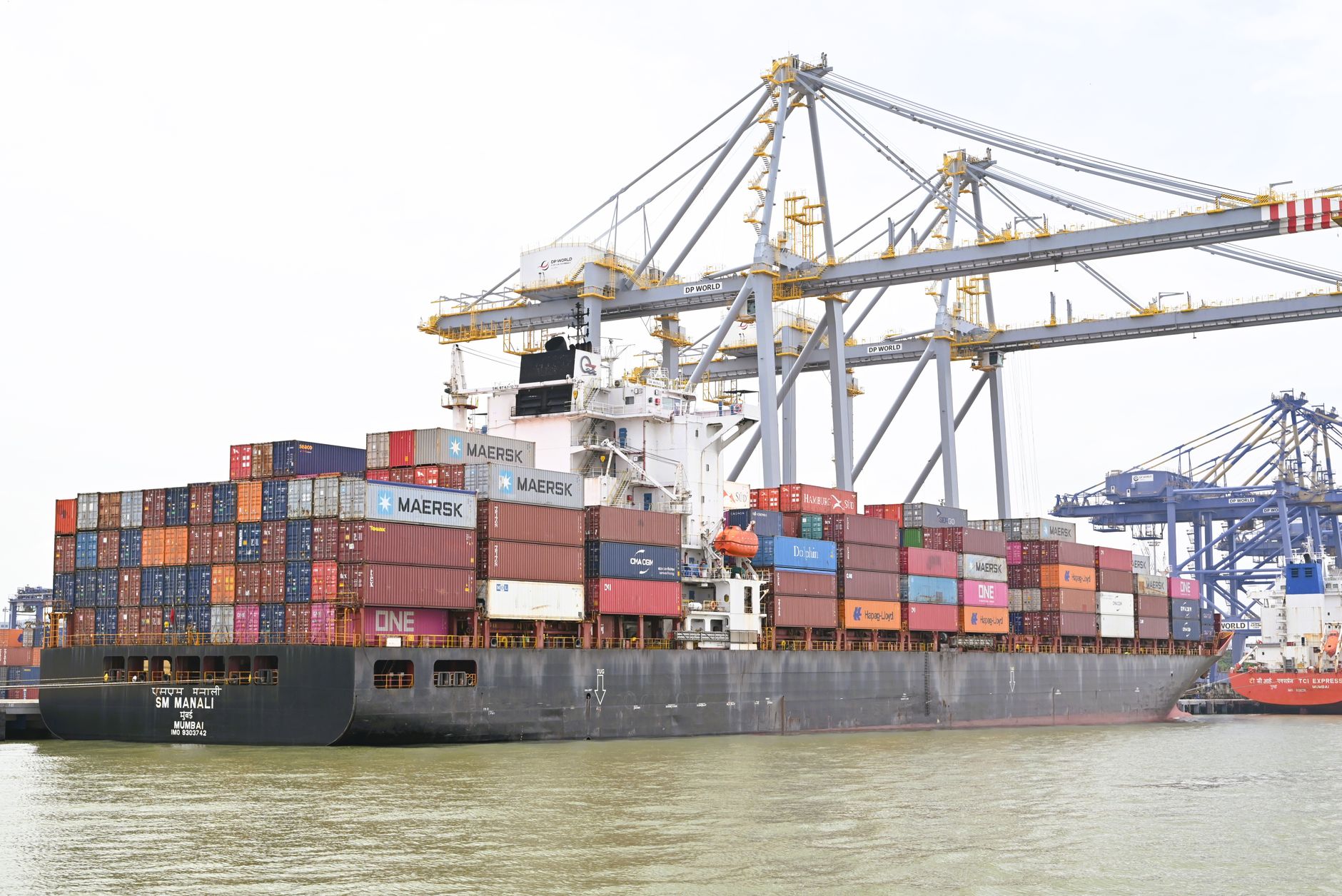
India exports October 2023 reached an impressive $89.99 billion, marking a significant achievement for the country’s trade sector. However, the merchandise trade deficit has also surged to a one-year high, raising concerns among economists.
Overview of India’s Export Performance
In October 2023, India achieved a remarkable milestone with exports reaching a record high of $89.99 billion. This achievement underscores the resilience and competitiveness of Indian goods on the global market, despite facing numerous challenges. The increase in exports is attributed to strong demand in key sectors such as pharmaceuticals, textiles, and engineering goods.
However, this surge in export performance comes with a caveat. The trade deficit has widened significantly, reaching a one-year high. The merchandise trade deficit reflects the growing disparity between imports and exports, which is a growing concern for the Indian economy. In October, imports surged due to high global crude oil prices and increased demand for electronic goods.
Despite the trade deficit, analysts are optimistic about the outlook for India’s exports. Factors such as government initiatives, trade agreements, and the diversification of export markets are expected to bolster India’s presence in international trade further.
Overall, while October 2023 marks a high point for India exports, the increasing trade deficit highlights the need for a balanced approach to trade and economic growth, ensuring that the country can sustain its export momentum without compromising its economic stability.
Impact of Trade Deficit on Economy
The recent surge in India’s exports for October 2023, reaching a remarkable $89.99 billion, has simultaneously highlighted the growing concern of a rising trade deficit. This increase in exports, while promising, comes alongside a merchandise trade deficit that has hit a one-year high, raising questions about its long-term implications on the economy.
The trade deficit occurs when a country’s imports exceed its exports, and in India’s case, this imbalance can impact various economic factors:
- Currency Valuation: A rising trade deficit can lead to depreciation of the Indian Rupee, which may increase the cost of imports and fuel inflation.
- Foreign Investment: A persistent trade deficit might deter foreign investors, who may perceive economic instability, affecting capital inflows.
- Domestic Industries: Increased imports can put pressure on local industries, challenging their competitiveness and potentially leading to job losses.
As India exports October 2023 reflects a high point in trade performance, the rising trade deficit underscores the need for a balanced approach to maintain economic stability. Policymakers may need to consider strategies to promote exports while curbing excessive imports to foster sustainable growth.
Key Sectors Driving Exports
In October 2023, several key sectors contributed significantly to India’s impressive export figures, which reached a record $89.99 billion. These sectors highlight the diverse strengths of the Indian economy in the global market.
- Manufacturing: The manufacturing sector continued to be a powerhouse, with exports of engineering goods witnessing a substantial increase. This growth is attributed to rising demand in international markets, particularly in the automotive and machinery segments.
- Textiles: The textile and apparel industry also made a notable impact, benefiting from renewed global interest in sustainable and ethically produced goods. This sector’s exports saw a commendable rise, further solidifying its role in the country’s export landscape.
- Agriculture: Agricultural exports, including spices, tea, and fruits, remained robust, driven by strong demand in both traditional and emerging markets. India’s reputation for high-quality agricultural products has helped maintain competitiveness.
- Pharmaceuticals: The pharmaceutical sector has been a consistent performer, with a surge in exports of generic medicines and vaccines. The global healthcare crisis has increased reliance on Indian pharmaceuticals, boosting this sector’s growth.
These sectors, among others, underscore the dynamic nature of India’s exports in October 2023, despite the challenges posed by a rising trade deficit.
Comparative Analysis with Previous Months
In October 2023, India achieved a remarkable milestone with exports reaching $89.99 billion, showcasing a significant increase compared to previous months. This record performance highlights the resilience of the Indian economy amidst global uncertainties.
To provide a clearer picture, the following points illustrate the comparative analysis with previous months:
- September 2023: Exports stood at $85 billion, reflecting a steady growth rate of approximately 5.8% month-on-month.
- August 2023: The export figures were reported at $80.5 billion, indicating a robust recovery from the downturn seen earlier in the year.
- July 2023: Exports dipped to $75 billion, marking a challenging period influenced by global economic pressures and supply chain disruptions.
- June 2023: Exports had reached $78 billion, showing signs of stabilization after a slow start to the fiscal year.
This upward trajectory in India’s exports for October 2023 not only underscores the potential of key sectors but also serves as a crucial indicator of the country’s economic health. However, the accompanying rise in the trade deficit, now at a one-year high, poses challenges that need to be addressed to sustain this momentum.
Future Outlook for Indian Exports
The future outlook for Indian exports appears promising, despite the recent rise in the trade deficit. With India exports in October 2023 reaching a record $89.99 billion, several factors indicate potential growth in the coming months.
Firstly, the government’s efforts to enhance trade relations with various countries are likely to yield positive results. Initiatives such as the Production Linked Incentive (PLI) scheme have been instrumental in boosting manufacturing and attracting foreign investments.
Moreover, the ongoing diversification of export markets is expected to mitigate risks associated with dependence on specific regions. As emerging markets in Africa and Southeast Asia show increasing demand for Indian goods, exporters are likely to capitalize on this trend.
Additionally, sectors like pharmaceuticals, textiles, and engineering goods continue to demonstrate resilience and adaptability. With technological advancements and sustainable practices, these sectors are poised for expansion.
However, challenges remain, including global economic uncertainties and fluctuating commodity prices. To navigate these obstacles, exporters must remain agile and responsive to market demands.
In conclusion, while the trade deficit presents a concern, the robust performance in October 2023 combined with strategic initiatives suggests a favorable trajectory for India’s export landscape in the near future.
Despite the impressive figures reflecting India exports October 2023, the rising trade deficit poses significant challenges for the economy. Analysts are closely monitoring how the trends in India exports October 2023 will impact future trade policies.
Photo by Ankittt Bhattacharjee on Pexels
Sources
- Hall Chadwick Acquisition Corp: Quick SEC Filing Update
- 2027 Tax Changes: What Are the Best Strategies to Prepare?
- IBIT ETF Price Forecast: Is $43 the Right Target?