


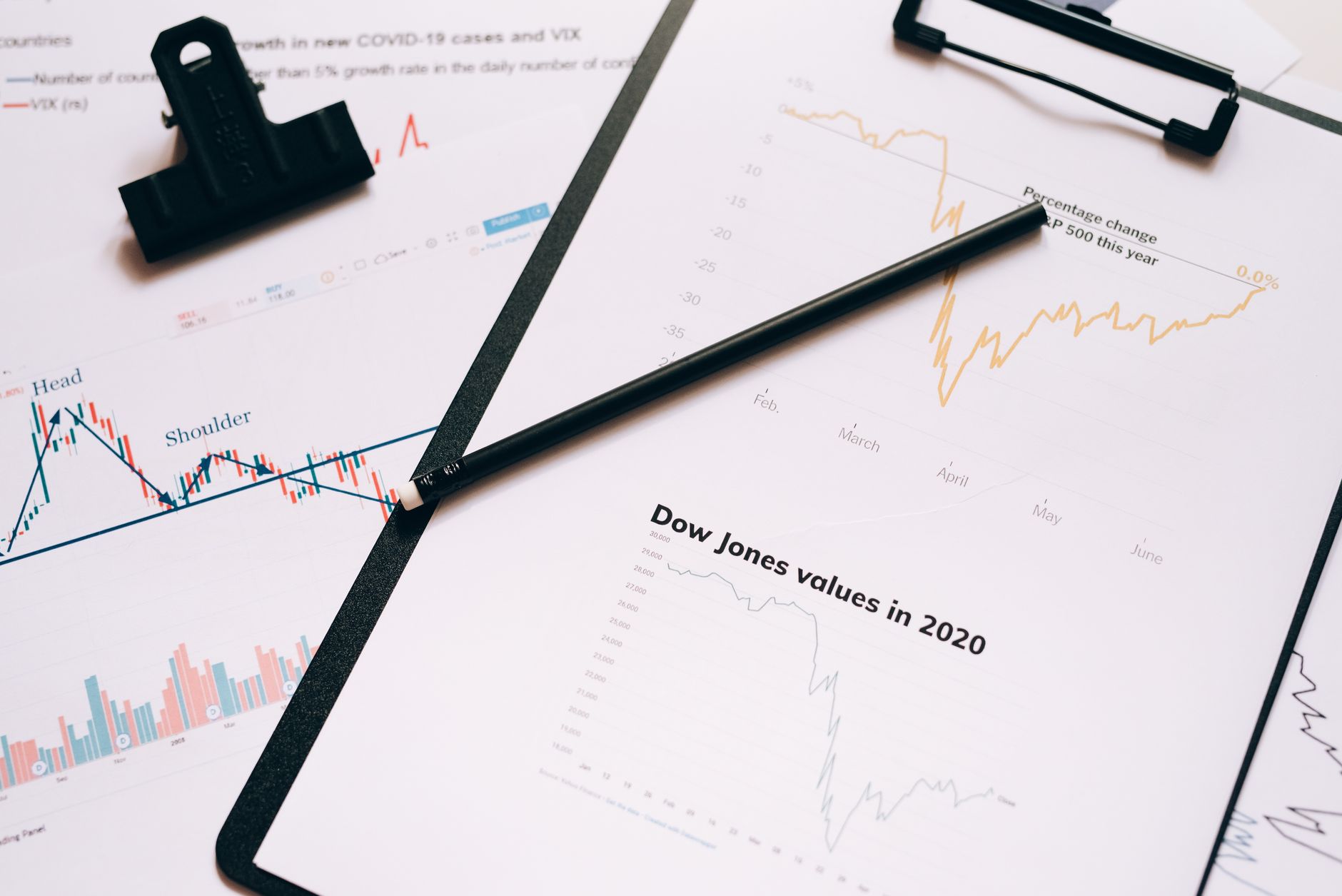
Dow Jones recovery has captured attention as it bounced back 300 points from lows, contrasting with the Nasdaq’s 1.4% drop on Thursday.
Understanding the Dow Jones Recovery
The recent movements in the stock market have left many investors curious about the dynamics of the Dow Jones recovery. On Thursday, the Dow Jones Industrial Average rebounded by 300 points after experiencing lows earlier in the week. This recovery can be attributed to several key factors.
- Positive Economic Data: Reports indicating growth in manufacturing and services sectors have bolstered investor confidence.
- Corporate Earnings: Strong quarterly earnings from major companies have also contributed to the upward momentum, showcasing resilience despite broader economic concerns.
- Market Sentiment: Investors appeared to be reassessing their positions, leading to a shift in sentiment that favored the Dow, while the tech-heavy Nasdaq experienced a decline.
Interestingly, while the Dow saw significant gains, the Nasdaq fell by 1.4%. This divergence highlights the strain on technology stocks, which are often more susceptible to interest rate fluctuations and economic uncertainty. As the market reacts to changing conditions, understanding the factors behind the Dow Jones recovery becomes essential for investors looking to navigate these turbulent waters.
Overall, the recent recovery reflects a complex interplay of market forces that continue to shape the financial landscape.
Factors Behind Nasdaq’s Decline
The recent movements in the stock market have been shaped by a variety of factors, particularly influencing the contrasting performances of the Dow Jones and Nasdaq indices. While the Dow Jones experienced a notable recovery of 300 points, the Nasdaq faced a decline of 1.4%. Understanding these dynamics is essential for investors looking for insights into market trends.
Several elements contributed to the Nasdaq’s downturn:
- Interest Rate Concerns: Investors are increasingly worried that rising interest rates may hinder tech sector growth, leading to lower valuations for tech stocks.
- Profit Taking: After a strong rally, many investors opted to take profits, particularly in tech shares, which have seen significant gains over the past months.
- Economic Indicators: Recent economic data reflecting slower growth rates raised concerns about the sustainability of the tech sector’s performance.
- Market Sentiment: The overall mood among traders shifted, influenced by geopolitical tensions and inflation fears, leading to a more cautious approach toward tech investments.
These factors illustrate the complexities behind the market movements, showcasing how the Dow Jones recovery can coexist with challenges faced by the Nasdaq.
Market Reactions to Economic Indicators
The recent market movements have shown a significant divergence between the Dow Jones and Nasdaq indices, raising questions among investors. On Thursday, the Dow Jones recovery was evident as it bounced back by 300 points from its earlier lows, while the Nasdaq experienced a decline of 1.4%. This contrast underscores the varying reactions to economic indicators that affect these indices differently.
Several factors contributed to the Dow’s notable recovery:
- Strong earnings reports: Companies within the Dow have continued to post better-than-expected results, boosting investor confidence.
- Sector rotation: Investors are shifting their focus from technology-heavy stocks to more stable sectors, which are well-represented in the Dow.
- Government policy insights: Recent announcements regarding fiscal policy have positively influenced market sentiment, particularly for blue-chip stocks.
Conversely, the Nasdaq’s decline can be attributed to increased volatility in tech stocks and concerns over rising interest rates impacting growth sectors. As the market reacts to these economic indicators, the divergence between the two indices will continue to provide insights into investor sentiment and future market trends.
Investor Sentiment and Market Trends
Investor sentiment has been a critical factor in the recent Dow Jones recovery, as traders react to a complex mix of economic indicators and market trends. While the Dow Jones saw a rebound of 300 points from its recent lows, the Nasdaq faced a decline of 1.4%, illustrating the divergent paths of these major indices.
Several elements have contributed to this phenomenon:
- Economic Data Releases: Recent reports have shown mixed signals, leading investors to reassess their strategies.
- Interest Rates: Concerns about the Federal Reserve’s monetary policy continue to influence market sentiment, affecting both short-term and long-term investment decisions.
- Sector Performance: The Dow’s recovery has been buoyed by strong performances in certain sectors, while tech stocks, primarily represented in the Nasdaq, have faced headwinds.
As investors navigate these trends, their confidence remains fragile. The volatility in the market emphasizes the importance of staying informed and adaptable. Understanding the dynamics of the Dow Jones recovery is crucial for investors looking to capitalize on forthcoming opportunities and mitigate risks.
Future Projections for Stock Markets
As analysts look ahead, the future projections for stock markets remain a topic of keen interest, particularly in light of the recent Dow Jones recovery. Market experts suggest that while the Dow has shown resilience, other indices may face continued challenges. Key factors influencing these projections include:
- Inflation Rates: Ongoing concerns over inflation could impact investor confidence and spending patterns.
- Interest Rates: The Federal Reserve’s stance on interest rates will play a crucial role in market dynamics, with potential rate hikes affecting borrowing costs.
- Corporate Earnings: Upcoming earnings reports will provide insights into the health of the economy and help shape investor sentiment.
- Global Events: Geopolitical tensions and economic conditions in other countries could have ripple effects on U.S. markets.
While the Dow Jones recovery offers some optimism, caution is advised as the market navigates these uncertainties. Analysts emphasize the importance of staying informed and adaptable amidst the ever-changing landscape. Investors are encouraged to consider both short-term fluctuations and long-term strategies as they look to capitalize on future opportunities.
Photo by Leeloo The First on Pexels
Read the original
Related reading
Manus funding news: $500 Million raised after Meta deal block · Share Markets Crash: Worst Day for Investors Amid Oil Surge · Dunbar Energy acquisition: Is it the Best Move for Ethtry PLC?