


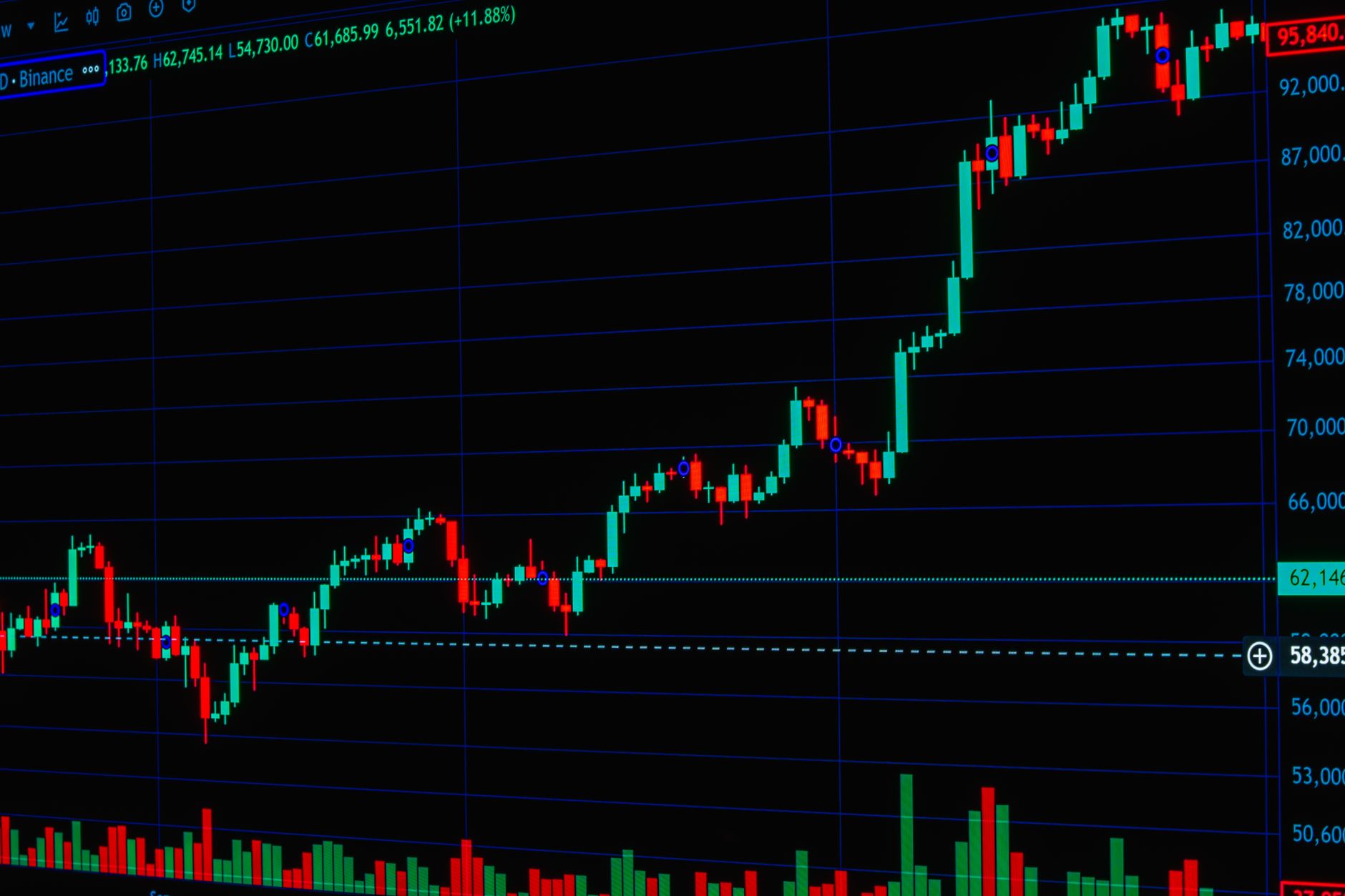
High-price consolidation is the current trend in Bitcoin following its recent surge. As investors watch closely, the question remains: will it break 12.85 million yen?
Understanding High-Price Consolidation
High-price consolidation is a term that describes a phase in the cryptocurrency market where prices stabilize after significant surges. This phenomenon often occurs after a substantial increase, leading to a period of price correction and stabilization as traders assess market conditions.
In the case of Bitcoin, recent surges have prompted discussions about whether the currency will maintain its momentum or enter a phase of high-price consolidation. Key factors influencing this consolidation phase include:
- Market Sentiment: Investor confidence plays a crucial role in determining the stability of prices. Positive sentiment can lead to continued investment, while negative sentiment may trigger sell-offs.
- Technical Indicators: Traders often rely on various technical indicators to judge the potential for price movements. Charts and patterns can help predict whether Bitcoin will break through significant price levels.
- External Events: Regulatory news, technological advancements, and macroeconomic factors can all impact Bitcoin’s price dynamics, leading to either consolidation or further surges.
As Bitcoin navigates this phase, many are left wondering if the potential rewards justify the wait during this high-price consolidation period.
Factors Influencing Bitcoin Prices
As Bitcoin continues to navigate its path in the volatile cryptocurrency market, several factors are influencing its price movements, particularly in the context of high-price consolidation. Understanding these elements can provide insight into whether the current upward trajectory is sustainable.
- Market Sentiment: The overall sentiment among investors can heavily impact Bitcoin prices. Positive news, such as institutional adoption, tends to drive prices up, while negative news can lead to sharp declines.
- Regulatory Changes: New regulations or legal frameworks introduced by governments can create uncertainty or confidence in the market. This can lead to fluctuating prices as traders react to potential impacts.
- Technological Developments: Innovations in blockchain technology or Bitcoin itself can enhance its value. Upgrades or improvements may attract more investors, thus influencing prices.
- Supply and Demand: The basic economic principle of supply and demand remains a critical factor. As Bitcoin reaches higher price points, the supply becomes limited, contributing to high-price consolidation.
Understanding these factors is essential for investors who are weighing the potential rewards against the risks associated with Bitcoin’s price volatility.
Historical Price Trends of Bitcoin
The historical price trends of Bitcoin reveal a pattern of volatility, often characterized by periods of high-price consolidation. Over the years, Bitcoin has experienced significant price surges followed by corrections, prompting investors to evaluate the sustainability of these price movements.
In 2020, Bitcoin’s price soared to nearly $20,000, only to fall back to around $3,000 in the following year. This dramatic fluctuation is not uncommon in the cryptocurrency market, where speculative trading can lead to rapid price changes. However, during the periods of high-price consolidation, Bitcoin tends to stabilize as investors reassess the asset’s value.
Key historical moments include:
- 2013: Bitcoin crossed $1,000 for the first time, leading to a consolidation phase that lasted several months.
- 2017: After reaching an all-time high near $20,000, Bitcoin entered a lengthy consolidation period that saw prices drop to $3,200 by late 2018.
- 2021: The surge past $60,000 was followed by a significant consolidation phase, lasting until late 2022.
Understanding these trends is crucial for investors as they navigate through potential high-price consolidation phases in the future.
Key Price Ranges to Monitor
As Bitcoin continues its journey through high-price consolidation, investors are keenly watching several key price ranges that could dictate its future trajectory. Understanding these ranges is crucial for making informed decisions in the volatile cryptocurrency market.
Currently, analysts are focusing on the following price levels:
- 10 Million Yen: This level has historically acted as a strong support, and a bounce here could indicate bullish sentiment moving forward.
- 11 Million Yen: A significant resistance point, breaking through this range could signal a continuation of the upward trend and potentially attract more investors.
- 12.85 Million Yen: This target is critical as it represents a psychological barrier that many traders are watching closely. Achieving this price could validate the recent surge and affirm the possibility of further gains.
Market participants should also consider the volatility surrounding these ranges, as fluctuations can trigger rapid movements. Monitoring these key price ranges is essential for anyone looking to capitalize on Bitcoin’s potential breakout from high-price consolidation.
Investor Sentiment and Market Behavior
Investor sentiment surrounding Bitcoin has become increasingly nuanced as the market enters a phase of high-price consolidation. Many traders are keenly observing the psychological barriers that may influence their investment decisions.
Recent data indicates a mixed outlook among investors, with some feeling optimistic about the potential for further price increases while others remain cautious. This sentiment is reflected in the following trends:
- Fear of Missing Out (FOMO): As Bitcoin prices surge, many investors are driven by the fear of missing out on potential gains, prompting increased buying activity.
- Profit-Taking: Conversely, some investors are choosing to lock in profits, selling portions of their holdings as prices reach new highs.
- Market Volatility: The unpredictable nature of Bitcoin’s price movements has led to heightened anxiety, causing some to adopt a wait-and-see approach.
As the market navigates these dynamics, analysts suggest that understanding investor sentiment will be crucial for predicting future movements. Whether this high-price consolidation phase leads to a breakout or a downturn remains uncertain, but monitoring sentiment could provide insights into potential outcomes.
Future Predictions for Bitcoin
As Bitcoin continues to navigate through high-price consolidation, analysts are making predictions about its future trajectory. With its recent surge, many investors are closely monitoring key indicators that could signal the next major price movement.
Some experts believe that if Bitcoin can maintain its current support levels, it may pave the way for a new rally. However, others caution that the high-price consolidation phase could last longer than anticipated, leading to increased volatility in the market.
Key factors that could influence Bitcoin’s future include:
- Regulatory Developments: Changes in government policies around cryptocurrency could significantly impact prices.
- Institutional Adoption: Increased interest from institutional investors may provide a bullish outlook.
- Technological Innovations: Advancements in blockchain technology could enhance Bitcoin’s utility and appeal.
The general sentiment among investors seems to lean towards cautious optimism, as many are willing to wait out the current high-price consolidation phase. Ultimately, the coming months will reveal whether Bitcoin can break past its established resistance levels or if it will remain within the current price range.
Conclusion: What’s Next for Bitcoin?
As Bitcoin continues to navigate through a phase of high-price consolidation, investors and analysts alike are left pondering what lies ahead for this leading cryptocurrency. The recent surge has not only drawn significant attention but also raised crucial questions about its sustainability. With volatility being a hallmark of Bitcoin’s journey, understanding the indicators that could signal a breakout or a downturn is essential.
Market sentiment plays a pivotal role in shaping Bitcoin’s trajectory. Currently, many investors remain optimistic, buoyed by a growing institutional interest and a broader acceptance of cryptocurrency in mainstream finance. However, caution is advised, as historical patterns suggest that corrections often follow significant price increases.
Looking ahead, several key factors will influence Bitcoin’s direction:
- Regulatory Developments: New regulations could impact investor confidence and market dynamics.
- Technological Innovations: Advancements in blockchain technology may enhance Bitcoin’s appeal.
- Global Economic Conditions: Economic trends could either bolster or hinder Bitcoin’s growth.
In conclusion, while the current high-price consolidation phase may test the patience of investors, it also presents opportunities for those willing to analyze the market closely and adapt to its ever-changing landscape.
Photo by Rafael Minguet Delgado on Pexels
Read the original
Related stories
- Growth stocks to track: 3 Proven Picks for 2026
- HCL Tech Q2 results: Best Dividend Announcement Coming Soon
- Nifty gains extension: Proven strategies to boost your portfolio