


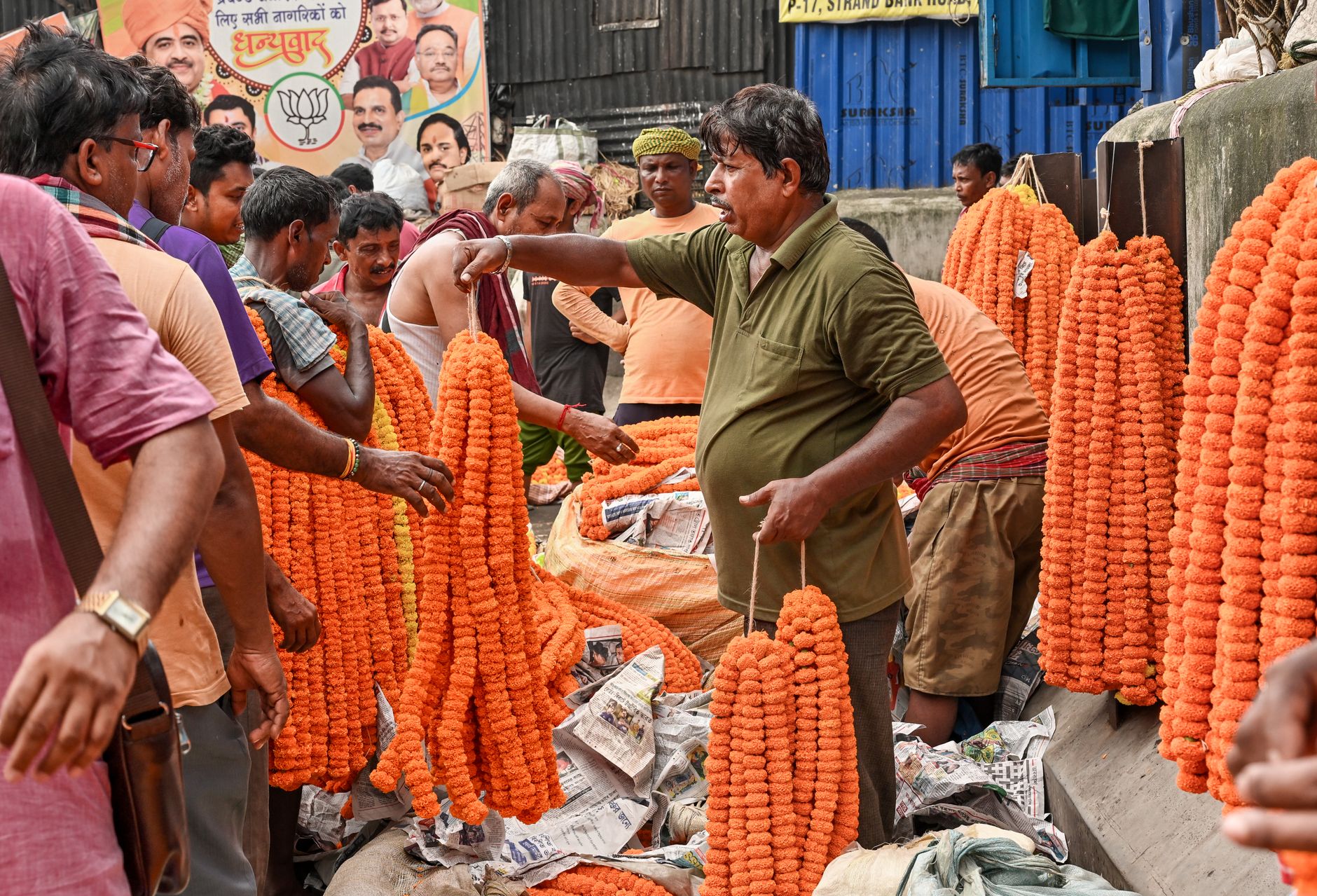
Diwali Muhurat Trading saw a decline, with Diwali Muhurat Trading ending in red this year, breaking an impressive 8-year winning streak.
Overview of Diwali Muhurat Trading
Diwali Muhurat Trading is a unique event in the Indian stock market, celebrated annually on the festival of Diwali. It marks a time when investors eagerly participate in trading to seek auspicious beginnings for the coming year. Traditionally, this session is characterized by its festive atmosphere and is believed to bring good fortune.
This year, however, the sentiment surrounding Diwali Muhurat Trading took a downturn, as both the Sensex and Nifty ended the day in the red. The decline marked the end of an impressive 8-year winning streak, raising questions about the significance of this trading day. Many investors had high hopes for a positive outcome, reflecting their enthusiasm for the festive season.
The reasons for the market’s poor performance during this year’s Diwali Muhurat Trading can be attributed to various factors:
- Global economic uncertainties.
- Inflation concerns impacting investor confidence.
- Profit booking by traders following recent gains.
Despite the disappointing results, the tradition of participating in Diwali Muhurat Trading remains strong, with many still viewing it as a vital part of their investment strategy.
Impact on Sensex and Nifty
The recent Diwali Muhurat Trading session saw a surprising turn of events, as both the Sensex and Nifty ended the day in the red, breaking an impressive 8-year winning streak. This year’s trading, typically characterized by bullish sentiments and festive optimism, took a downturn, leaving many investors concerned.
Market analysts attribute this shift to a variety of factors:
- Global Economic Concerns: Ongoing uncertainties in the global economy have led to a cautious approach among investors.
- Domestic Inflation: Rising inflation rates have prompted fears of reduced consumer spending during the festive season.
- Sector Performance: Major sectors such as IT and banking saw declines, impacting overall market performance.
The implications of this year’s Diwali Muhurat Trading could signal a change in market dynamics. Traditionally seen as a time for optimism and gains, this shift raises questions about future trading sessions. Investors, while hopeful for a turnaround, must now reassess their strategies in light of this unexpected outcome. As the market reacts, the significance of Diwali Muhurat Trading may evolve, challenging long-held beliefs about its predictive power for the year ahead.
Historical Performance of Diwali Trading
The historical performance of Diwali Muhurat Trading has been a topic of interest for investors over the years. Traditionally, this auspicious day is marked by optimism, with many believing it brings good fortune for the trading year ahead. However, recent trends suggest a shift in sentiment.
Data from past years reveals a mixed bag when analyzing the performance of the markets during this period. Notably, in 2023, both the Sensex and Nifty ended the Diwali Muhurat Trading session in the red, marking an end to an 8-year winning streak. This has raised questions about the reliability of Diwali Muhurat Trading as a profitable investment strategy.
Here are some key historical insights:
- 2015-2022: The markets consistently saw gains during Diwali Muhurat Trading.
- 2023: A significant downturn, with both indices closing lower.
- Market Sentiment: Despite traditional beliefs, recent performances have led to skepticism regarding the effectiveness of trading on this day.
As investors reassess their strategies, the question remains: has Diwali Muhurat Trading lost its charm in the current market landscape?
Market Reactions to the Decline
The recent Diwali Muhurat Trading session saw a significant shift in market sentiment, ending an eight-year winning streak for the Sensex and Nifty. Investors reacted swiftly to the downturn, leading to a mix of caution and concern in the trading community.
Market analysts noted that this decline was unexpected, as Diwali Muhurat Trading is traditionally regarded as a time for optimism and auspicious beginnings. The drop in key indices raised questions about the overall health of the market and the factors contributing to this unexpected performance.
Several reasons were identified for the decline:
- Global Economic Concerns: Increased volatility in international markets and rising inflation rates have led to uncertainty among investors.
- Sector-Specific Weakness: Certain sectors, particularly technology and consumer goods, faced declines that impacted overall market performance.
- Profit Booking: After a prolonged rally, many investors opted to secure profits, contributing to downward pressure on stock prices.
The reaction to this year’s Diwali Muhurat Trading highlights a shift in market dynamics, prompting investors to reconsider their strategies as they navigate a changing economic landscape.
Expert Opinions on Future Trends
Experts are divided on the implications of this year’s Diwali Muhurat Trading, with many expressing concerns about future market trends. According to analysts, the recent downturn could signal a broader shift in investor sentiment.
One market strategist noted, “The end of the eight-year winning streak during Diwali Muhurat Trading raises questions about the sustainability of market gains. Investors should remain cautious.”
Another expert emphasized the importance of macroeconomic factors, stating, “With rising inflation and geopolitical tensions, the festive period may not guarantee the usual optimism we associate with Diwali trading.”
Some analysts suggest that the decline in performance this year could reflect a shift in market dynamics. “We may be witnessing a correction phase after a prolonged bull run,” said a financial consultant. “Investors are advised to adapt their strategies accordingly.”
Despite the prevailing pessimism, a few experts remain optimistic. They argue that historical data should not overshadow the potential for recovery. “Market cycles always have ups and downs. The key is to identify long-term trends rather than react to short-term fluctuations,” they remarked.
Ultimately, the future of Diwali Muhurat Trading remains uncertain, and investors are encouraged to stay informed and vigilant.
Conclusion: What Lies Ahead for Investors
As the dust settles on this year’s Diwali Muhurat Trading, investors are left pondering the implications of a market that has broken an eight-year winning streak. The decline observed during this auspicious trading session raises critical questions about future performance and investor sentiment.
Historically, Diwali Muhurat Trading has been viewed as a time for optimism, often reflecting the cultural significance of new beginnings. However, the recent downturn suggests that market dynamics may be shifting, and investors need to recalibrate their expectations. Analysts argue that while this year’s performance was disappointing, it does not necessarily signal a long-term trend. In fact, many experts believe that this could be a momentary blip rather than a harbinger of doom.
As we look to the future, investors should remain vigilant. The market’s reaction to external economic factors, along with evolving consumer sentiments, will play a crucial role in shaping the upcoming trading sessions. It is essential for investors to be adaptable and informed, especially in light of potential volatility. Ultimately, while the Diwali Muhurat Trading may have concluded on a negative note, the opportunities for recovery and growth still lie ahead.
Photo by Krishnendu Biswas on Pexels
Sources
- UK Carbon Market: Clear Path to Post-Brexit Opportunities
- Coca-Cola India IPO: Proven Steps for Successful Investment
- Thirumalai Chemicals results: Are They Worth the Hype?