


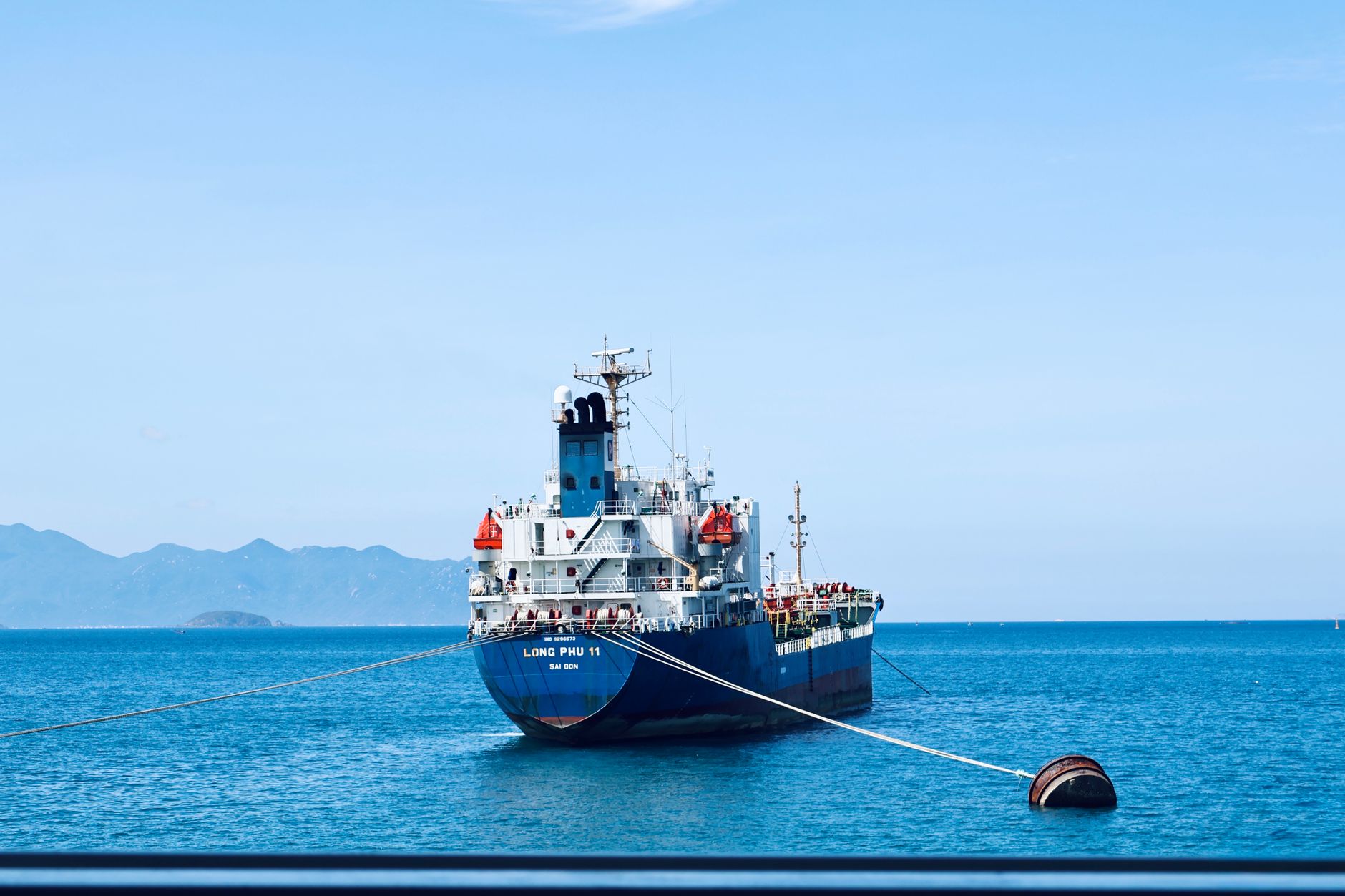
Vietnam export cargo is set to benefit significantly from the introduction of SuperLink China Direct. This new logistics route promises to streamline the export process and improve trade efficiency.
Overview of Vietnam’s Export Market
Vietnam’s export market has witnessed significant growth in recent years, driven by various factors including strategic positioning and increasing demand for its products. The country’s diverse range of exports, particularly in electronics, textiles, and agricultural goods, has made it a crucial player in global trade.
With the rise of international logistics solutions, such as SuperLink China Direct, businesses are exploring the best routes for their export cargo. This new route aims to enhance connectivity between Vietnam and major markets, streamlining the transportation process and reducing costs.
Key advantages of Vietnam’s export market include:
- Competitive pricing: Vietnamese products are often more affordable compared to those from other countries.
- Diverse product range: The ability to export a wide variety of goods attracts different markets.
- Growing infrastructure: Investments in logistics and transport facilities improve export efficiency.
As Vietnam continues to strengthen its export capabilities, identifying the best routes for success will be essential for businesses aiming to thrive in the competitive global landscape.
Impact of New Trade Routes
The emergence of new trade routes has significantly reshaped Vietnam’s export landscape. With the introduction of the SuperLink China Direct, businesses are witnessing a transformative shift in logistics and supply chain efficiency. This new route enhances connectivity between Vietnam and China, enabling faster delivery of goods.
Key impacts of these new trade routes include:
- Reduced transit times: Export cargo from Vietnam can now reach its destination more swiftly, improving competitiveness.
- Lower shipping costs: The direct connection minimizes intermediaries, thereby reducing overall expenses for exporters.
- Increased market access: Enhanced routes open up opportunities for Vietnamese products in larger markets.
- Streamlined customs processes: Improved regulations and agreements facilitate smoother border crossings.
As Vietnam’s export cargo continues to grow, leveraging these new routes will be crucial for businesses aiming to thrive in an increasingly globalized market.
Benefits of SuperLink China Direct
The introduction of SuperLink China Direct offers significant advantages for Vietnam export cargo, streamlining the process and enhancing efficiency. This new route is designed to reduce transit times and costs, making it an attractive option for businesses looking to expand their reach in the Chinese market.
Among the key benefits of using SuperLink China Direct are:
- Faster Delivery: The route promises reduced shipping times, ensuring that goods arrive at their destination more quickly.
- Cost Efficiency: Lower shipping rates can lead to substantial savings for exporters, ultimately benefiting the end consumer.
- Enhanced Reliability: With a direct approach, the risk of delays and logistical issues is minimized, providing more predictable shipping schedules.
- Increased Capacity: The new route accommodates a larger volume of cargo, allowing businesses to scale their operations effectively.
Overall, SuperLink China Direct represents a pivotal development in the logistics of Vietnam export cargo, paving the way for greater competitiveness in the global market.
Challenges in Export Logistics
Export logistics in Vietnam faces several challenges that can impact the efficiency of moving goods to international markets. One major issue is the infrastructure, which, despite improvements, still struggles to keep pace with the growing volume of Vietnam export cargo. Congestion at ports and inadequate transportation networks can lead to delays, causing exporters to miss critical deadlines.
Additionally, customs regulations can be complex and vary significantly between countries, making it essential for businesses to stay informed and compliant. This often requires hiring specialized logistics providers, which can increase operational costs.
Another significant challenge is market competition. As Vietnam’s export sector expands, businesses must continuously adapt to maintain their edge. Companies must invest in technology and training to streamline their logistics operations, ensuring they can effectively navigate these challenges and capitalize on the opportunities presented by new trade routes.
Ultimately, overcoming these hurdles is crucial for the success of Vietnam’s export cargo in the global market.
Future of Vietnam’s Exports
The future of Vietnam’s exports looks promising, particularly with the introduction of innovative trade routes like SuperLink China Direct. This new route not only enhances efficiency but also opens up significant opportunities for Vietnam export cargo. As the demand for Vietnamese goods continues to rise globally, adapting to changing market conditions will be crucial for success.
Stakeholders are optimistic about the potential for increased trade volumes. Key factors influencing this growth include:
- Technology integration: Advanced logistics solutions are streamlining processes.
- Sustainability practices: Eco-friendly initiatives are appealing to international markets.
- Diverse product offerings: Expanding categories of goods cater to a wider audience.
Moreover, collaboration between government and private sectors will be essential in navigating challenges. As Vietnam solidifies its position as a leading exporter, leveraging these factors will be critical in optimizing export cargo routes and ensuring long-term growth.
Comparing Traditional vs New Routes
As Vietnam’s export cargo market continues to evolve, businesses face the decision of utilizing traditional routes or embracing new options. Traditional routes, often well-established, provide reliability but may lack the efficiency needed for today’s fast-paced trade environment. Conversely, new routes, such as those offered by SuperLink China Direct, promise quicker transit times and lower costs.
When comparing these routes, several factors come into play:
- Cost: Traditional routes may incur higher shipping fees due to longer distances and additional handling.
- Speed: New routes often boast faster delivery times, crucial for perishable goods or time-sensitive exports.
- Flexibility: Emerging routes may offer more options for cargo types, accommodating various export needs.
- Risk: Traditional routes have a proven track record, while new routes may still face uncertainties.
Ultimately, businesses must weigh these factors carefully to determine the best route for their Vietnam export cargo to thrive in a competitive market.
Expert Opinions on Trade Efficiency
Experts in the field of international trade emphasize the importance of selecting efficient routes for Vietnam export cargo. According to Dr. Nguyen Minh Tu, a trade analyst, “The choice of route can significantly impact delivery times and costs.” He suggests that utilizing modern logistics solutions can enhance overall efficiency.
Additionally, Ms. Le Thi Hoa, a logistics manager, points out the benefits of integrating technology into supply chain management. “Real-time tracking and data analytics can streamline operations and reduce unforeseen delays,” she states.
Industry professionals also agree that collaboration with experienced freight forwarders can facilitate smoother transit processes. They recommend evaluating all available options, especially with the introduction of new trade routes like SuperLink China Direct.
In summary, experts advise exporters to remain adaptable and informed to navigate the complexities of the market effectively, ensuring that Vietnam export cargo reaches its destination on time and within budget.
Choosing the right logistics partner is crucial for optimizing Vietnam export cargo. Additionally, understanding the various shipping routes can significantly enhance the efficiency of Vietnam export cargo transportation.
Photo by Haneul Trac on Pexels
Sources
Related stories
- India VC funding: Worst flat trend in 2026
- Fortis Hospital kitchen: Worst conditions lead to shutdown
- Grocery Outlet stock: Is it the Best Investment Opportunity?