


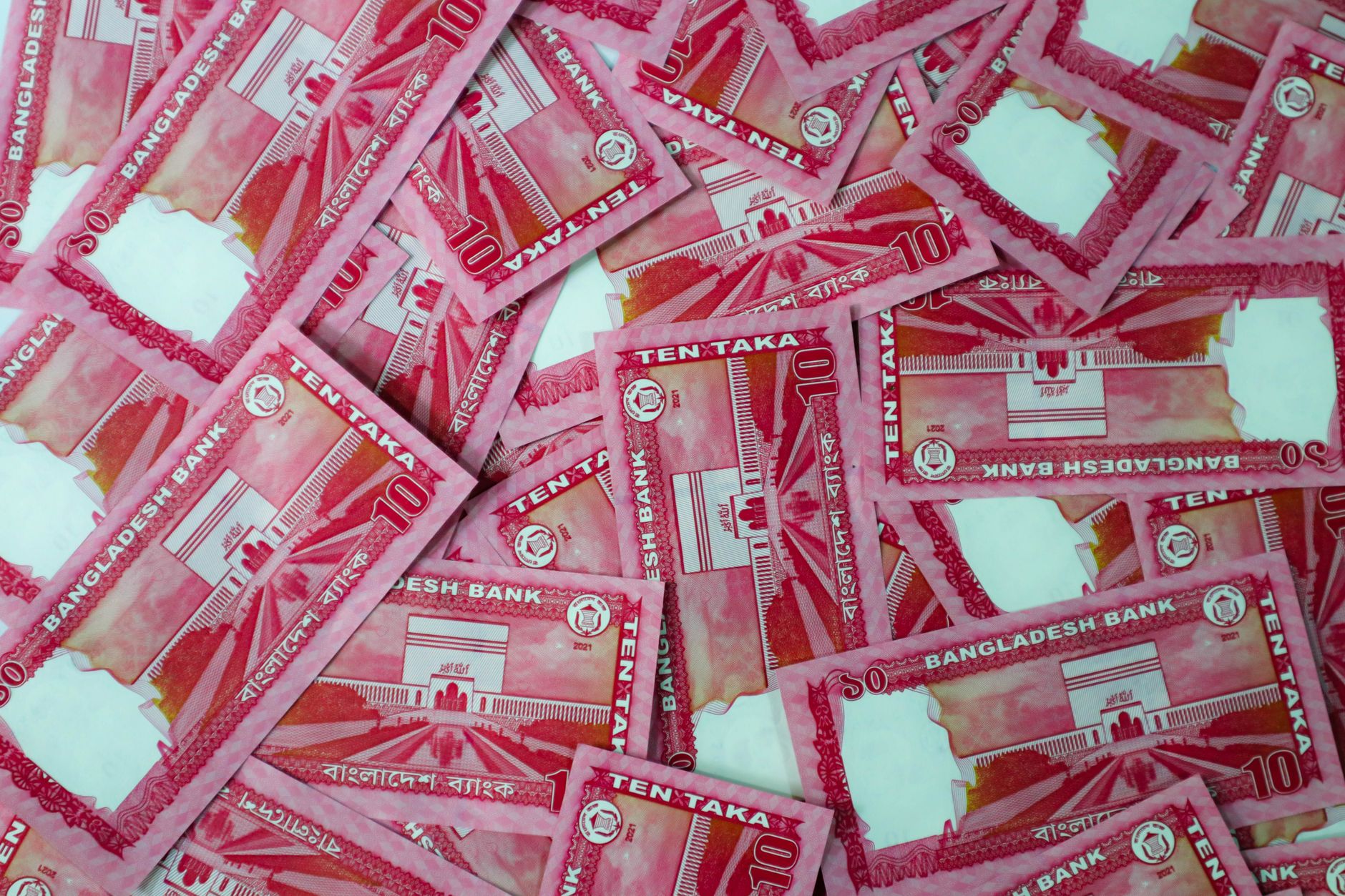
The Bangladesh Bank policy rate is unchanged, a decision that has sparked debate among economists and financial experts about its implications for the economy.
Overview of Bangladesh Bank’s Decision
The recent decision by the Bangladesh Bank’s Monetary Policy Committee (MPC) to keep the policy rate unchanged has triggered a wave of discussions among economists and financial experts. This decision comes amid varying economic indicators that suggest both challenges and opportunities for the Bangladeshi economy.
In its latest meeting, the MPC emphasized the importance of maintaining stability in the face of global economic uncertainties. The committee noted that while inflationary pressures persist, particularly in food and energy sectors, the overall economic growth remains robust. By leaving the policy rate steady, the Bangladesh Bank aims to support ongoing recovery while ensuring that inflation does not spiral out of control.
Some analysts argue that this approach may risk overheating the economy, given the rising demand in certain sectors. Conversely, others believe that maintaining the current policy rate is essential for fostering investment and consumer confidence.
The unchanged decision has sparked a debate among stakeholders. Key points of discussion include:
- The effectiveness of the current policy in curbing inflation.
- The potential need for future adjustments to address economic growth concerns.
- The impact of external factors, such as global market fluctuations, on domestic economic stability.
As the situation evolves, the Bangladesh Bank’s policy rate will remain a focal point for discussions regarding the country’s economic trajectory.
Implications of the Unchanged Policy Rate
The decision by Bangladesh Bank to keep the policy rate unchanged has generated significant debate among economists and industry experts. Many believe that this decision reflects a cautious approach in a time of economic uncertainty. The implications of the unchanged policy rate can be far-reaching, impacting various sectors of the economy.
Some of the key implications include:
- Inflation Control: The unchanged Bangladesh Bank policy rate is expected to help maintain current inflation levels, which have been a concern for both consumers and businesses.
- Investment Climate: By keeping the rate stable, Bangladesh Bank aims to provide reassurance to investors, fostering a more predictable economic environment that could encourage both domestic and foreign investments.
- Consumer Spending: A stable policy rate may support consumer spending as loan interest rates remain predictable, which is crucial for economic growth.
- Financial Sector Stability: The decision helps maintain stability in the financial sector, preventing potential volatility that could arise from sudden rate changes.
However, critics argue that the unchanged policy rate may not be sufficient to address the underlying economic issues, such as slow growth and rising unemployment. They call for a more proactive approach to stimulate the economy and drive growth.
Expert Opinions on the Current Rate
Experts have shared a variety of opinions regarding the recent decision by the Bangladesh Bank to maintain the current policy rate. While some believe this approach will support economic stability, others express concerns about its long-term effects on inflation and growth.
- Dr. Ayesha Rahman, an economist at Dhaka University, stated, “Keeping the Bangladesh Bank policy rate unchanged is a prudent move in the current economic climate. It allows businesses to plan and invest without the fear of abrupt interest rate hikes.”
- Mr. Hasan Chowdhury, a financial analyst, disagreed, arguing, “The unchanged rate may not adequately address rising inflation. If prices continue to climb, the purchasing power of consumers will suffer, impacting overall economic growth in the long run.”
- Prof. Shamsul Islam, a noted financial expert, highlighted the need for a balanced approach. “While the stability provided by the current rate is essential, the Bangladesh Bank must remain vigilant and ready to adjust the policy rate if inflationary pressures escalate further,” he noted.
As the debate continues, many are keeping a close eye on the economic indicators that may prompt the Bangladesh Bank to reconsider its policy stance in the coming months.
Historical Context of Interest Rates in Bangladesh
The historical context of interest rates in Bangladesh provides a critical backdrop for understanding the recent decision by the Bangladesh Bank to keep its policy rate unchanged. Over the past decade, the country has experienced significant fluctuations in its monetary policy, influenced by both domestic economic growth and global financial trends.
In the early 2010s, the Bangladesh Bank implemented a series of rate cuts aimed at stimulating economic growth in the wake of the global financial crisis. These cuts were initially successful, leading to a period of robust economic expansion. However, as inflationary pressures began to mount, the central bank raised the policy rate to counteract rising prices and maintain economic stability.
Through the years, the policy rate has seen various adjustments, reflecting the Bank’s attempts to balance growth with inflation control. Most notably, during the COVID-19 pandemic, the Bangladesh Bank reduced rates significantly to support struggling businesses and consumers. As a result, the policy rate reached historic lows, fostering a favorable environment for borrowing.
As of now, the current policy rate remains unchanged, a decision that has reignited debate among economists and policymakers. Some argue that maintaining the status quo is necessary to ensure financial stability, while others advocate for adjustments to better align with the evolving economic landscape.
Comparative Analysis with Regional Banks
The decision by the Bangladesh Bank to maintain its policy rate has led to a significant discussion regarding its alignment with the monetary policies of other central banks in the region. A comparative analysis reveals varying approaches taken by neighboring countries, each influenced by their unique economic conditions.
- India: The Reserve Bank of India has adopted a more aggressive stance, recently increasing its policy rate in response to inflationary pressures. This divergence underscores a contrasting economic landscape where inflation remains a pressing issue in India.
- Sri Lanka: Facing economic challenges, the Central Bank of Sri Lanka has also adjusted its policy rates downward to stimulate growth. This move reflects an attempt to combat recessionary trends, highlighting a different set of priorities compared to Bangladesh.
- Pakistan: The State Bank of Pakistan has maintained a high policy rate to tackle persistent inflation, indicating a similar concern as India but with a different economic context.
In light of these regional trends, the Bangladesh Bank’s decision to keep the policy rate unchanged raises questions about its effectiveness in addressing local economic issues. Observers argue that a more proactive approach may be necessary to align with the evolving economic landscape, particularly as neighboring countries adapt their strategies in response to inflation and growth challenges.
Economic Indicators to Watch
The decision by Bangladesh Bank to keep the policy rate unchanged has raised several questions regarding the economic indicators that stakeholders should monitor closely. As the nation navigates through fluctuating economic conditions, understanding these indicators will be crucial for predicting future monetary policy directions.
Key economic indicators to watch include:
- Inflation Rate: A critical measure of the purchasing power and economic stability, inflation impacts consumer spending and savings. Analysts will be watching for any signs of rising inflation that could prompt a revision of the Bangladesh Bank policy rate.
- GDP Growth Rate: The overall economic growth is vital for assessing how well the economy is performing. Slow or stagnant growth may lead to calls for lower interest rates to stimulate investment.
- Foreign Exchange Reserves: A healthy reserve can bolster confidence in the currency and the economy. A decline might raise concerns and influence the central bank’s decisions.
- Employment Trends: Employment rates can provide insights into economic health, with rising unemployment potentially signaling a need for policy adjustments.
- Credit Growth: Monitoring the growth in bank credit can indicate business confidence and consumer spending, which are essential for economic stability.
As the debate around the unchanged Bangladesh Bank policy rate continues, these indicators will be pivotal in shaping future discussions on economic policy.
Future Projections for Bangladesh’s Economy
The recent decision by the Bangladesh Bank to maintain the current policy rate has prompted various projections regarding the future of the country’s economy. As analysts sift through the implications of this unchanged policy rate, several factors come into play that could influence economic growth and stability.
Many economists are expressing concerns about inflationary pressures and their potential impact on consumer spending. A sustained policy rate could lead to:
- Stagnated Investment: With borrowing costs remaining relatively high, businesses may hesitate to invest in expansion, which could slow down economic growth.
- Consumer Confidence: If inflation outpaces income growth, consumer spending may decline, adversely affecting domestic consumption.
- External Pressures: Global economic conditions, including commodity prices and trade relations, will also play a crucial role in shaping Bangladesh’s economic outlook.
In contrast, some experts argue that a stable policy rate provides a predictable environment for businesses, which can encourage long-term planning and investment. They suggest that maintaining the rate allows the Bangladesh Bank to better manage inflation and ensure currency stability amidst external uncertainties.
As the economy navigates these challenges, close attention will be needed on various economic indicators, including GDP growth, inflation rates, and employment figures, all of which will provide insight into the effectiveness of the Bangladesh Bank’s policy rate strategy.
Conclusion and Final Thoughts
The recent decision by the Bangladesh Bank to keep the policy rate unchanged has certainly generated considerable discussion among economists, business leaders, and the general public. While the central bank aims to maintain economic stability, the implications of this decision are far-reaching.
Many analysts argue that an unchanged policy rate may not adequately address the rising inflationary pressures that have been affecting consumers and businesses alike. As the cost of living continues to rise, the debate intensifies over whether the Bangladesh Bank’s policy rate adequately reflects the current economic climate. The divergence of opinions highlights the complexity of monetary policy in an evolving economic landscape.
Furthermore, the potential consequences of this decision could resonate through various sectors, impacting everything from consumer spending to investment growth. In light of these factors, stakeholders are closely monitoring upcoming economic indicators, as they will provide insights into the effectiveness of the current policy stance.
Ultimately, the unchanged decision by the Bangladesh Bank on the policy rate will likely remain a topic of discussion as the economy navigates through these uncertain times. As experts continue to analyze the implications, the focus will also shift toward future adjustments that may be necessary to align with both domestic and global economic conditions.
The decision to maintain the Bangladesh Bank policy rate has led to various opinions among economists and financial analysts. Many argue that the unchanged Bangladesh Bank policy rate may not effectively address the rising inflation concerns in the country.
Photo by Shamim Hossain on Pexels
Where this came from
Related reading
- Elevate Campuses IPO: Is It the Right Investment for You?
- Mahindra Thar colour options: 8 Proven Shades Revealed!
- Stock Market Trends: The Best Insights for Sept 23