


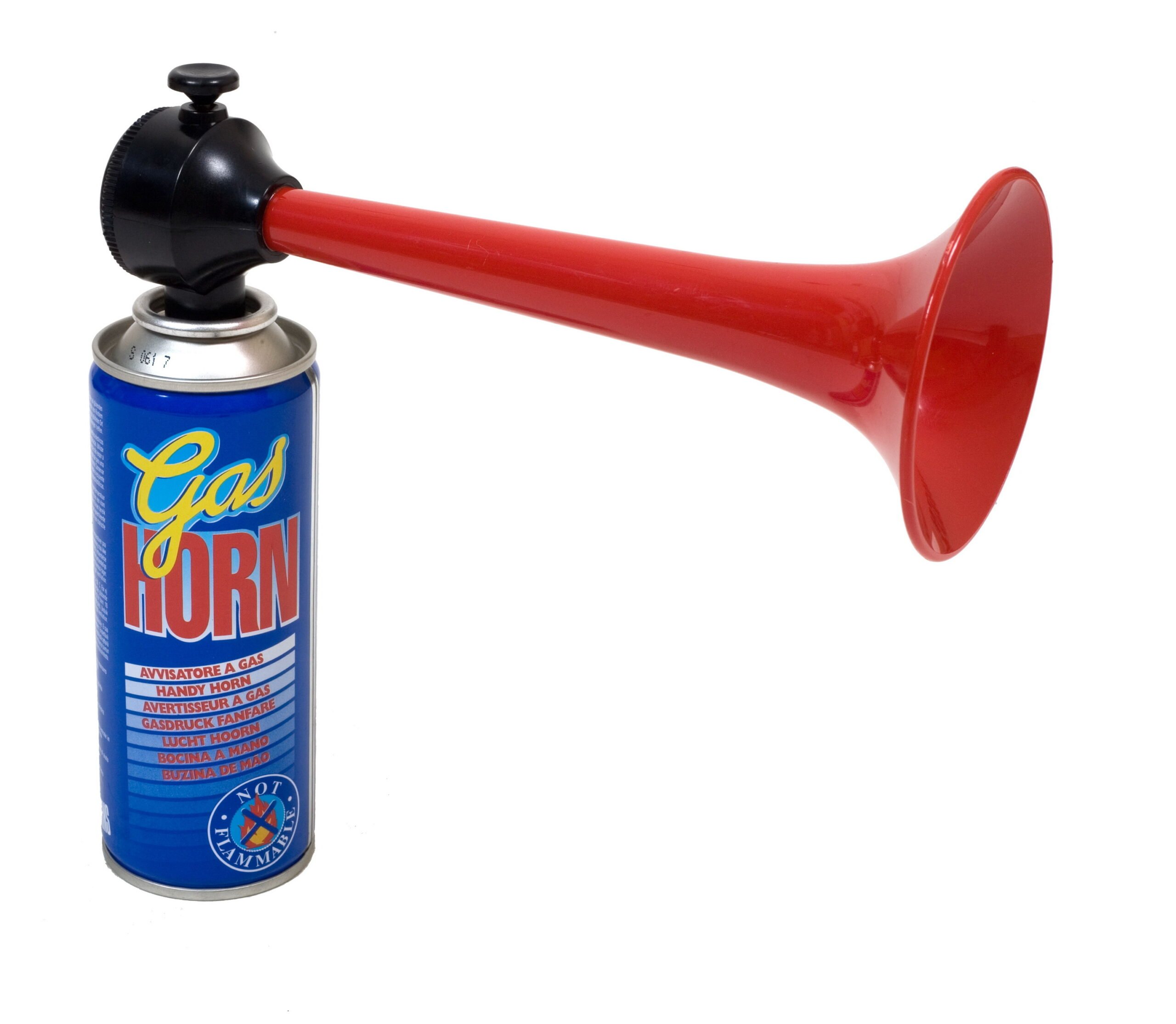
The fog horn cut through the thick mist, a reassuring signal in the vast expanse of the sea. Its deep, resonant sound guiding ships through treacherous waters. Embraced by mariners for centuries, the fog horn’s piercing cry pierces the darkness, a beacon of safety and direction. The history and significance of the fog horn stretches back to ancient times, its presence a constant reminder of navigation and survival. Join us on a journey to explore the enduring legacy of the fog horn – a symbol of hope in the midst of uncertainty.

The Mighty Fog Horn: A Guide to Its History, Function, and Significance
Welcome, young explorers, to a fascinating journey into the world of the mighty fog horn! In this article, we will unravel the mysteries surrounding this iconic device, learn about its history, understand how it works, and explore why it holds such importance in the maritime world. So, sit back, put on your captain’s hat, and let’s dive deep into the world of fog horns!
What is a Fog Horn?
Imagine you are a sailor navigating through treacherous waters, thick fog blanketing your surroundings, making it impossible to see. In such situations, a fog horn comes to the rescue! A fog horn is a powerful signaling device used in maritime navigation to alert other vessels of nearby presence, especially in foggy conditions when visibility is reduced. Traditionally, fog horns produce a deep, resonant sound that can travel far distances over the water, serving as an audible warning to ships and boats.
The History of Fog Horns
The history of fog horns dates back to the early days of seafaring when sailors relied on simple methods to communicate in foggy conditions. The first fog signal was believed to be a bell rung manually by sailors on ships to warn others of their presence. However, as maritime technology advanced, the need for a more effective signaling device became apparent, leading to the development of the modern fog horn.
In the 19th century, mechanical fog horns powered by compressed air or steam emerged as the primary means of signaling in foggy conditions. These early fog horns were massive structures, often located on lighthouses or buoys, and operated by trained personnel who would sound them at regular intervals to guide ships safely along the coast.
How Does a Fog Horn Work?
Now, let’s uncover the magic behind the functioning of a fog horn. At its core, a fog horn operates on a simple yet effective principle of converting compressed air into sound waves. When activated, the compressed air is forced through a series of horns or trumpets, creating a distinctive low-frequency sound that can pierce through the dense fog and alert nearby vessels.
The sound produced by a fog horn travels in all directions over the water, acting as a beacon for ships navigating through poor visibility conditions. The frequency and pattern of the sound emitted by a fog horn are carefully regulated to ensure optimal effectiveness in guiding ships and preventing collisions in foggy weather.
The Importance of Fog Horns in Maritime Safety
Why are fog horns so crucial in maritime safety? The answer lies in their ability to provide a reliable and audible signal to ships in low-visibility conditions, reducing the risk of accidents and collisions at sea. For centuries, fog horns have been instrumental in guiding vessels safely through foggy waters, serving as a beacon of hope for sailors navigating challenging environments.
Even in today’s modern era of advanced navigation technology, fog horns continue to play a vital role in maritime safety, especially in remote or rugged coastal areas where visibility can be severely limited by fog, mist, or stormy weather. The distinct sound of a fog horn cutting through the fog remains a reassuring presence for sailors, signaling guidance and warning of potential dangers ahead.
Types of Fog Horns
There are several types of fog horns used in maritime navigation, each with its unique characteristics and purposes. Some of the common types of fog horns include:
Diaphone Fog Horns
Diaphone fog horns are a type of fog signal that produce a distinctive “two-tone” sound by using a diaphragm mechanism to interrupt the airflow. This results in a powerful and attention-grabbing sound that can be heard over long distances, making diaphone fog horns popular choices for coastal warning systems.
Electric Fog Horns
Electric fog horns, as the name suggests, rely on electricity to generate sound waves. These fog horns are often used in modern lighthouses and navigational aids due to their efficiency and reliability. Electric fog horns can produce a range of tones and patterns, allowing for versatile signaling options in various maritime settings.
Fun Facts About Fog Horns
Before we conclude our exploration of fog horns, let’s uncover some fun and fascinating facts about these iconic maritime devices:
- Fog horns were originally known as “audible lighthouses” due to their role in guiding ships safely along the coast.
- The sound of a fog horn can travel up to several miles over the water, depending on atmospheric conditions.
- Some fog horns are equipped with automatic timers or sensors that activate the signal when visibility drops below a certain threshold.
- Although modern ships are equipped with advanced radar and GPS systems, fog horns remain a crucial backup signaling device in case of technology failure.
As we reach the end of our journey into the world of fog horns, I hope you’ve gained a newfound appreciation for these remarkable devices and their role in maritime safety. From their humble beginnings as simple signaling tools to their modern-day adaptations, fog horns have stood the test of time as beacons of guidance and protection for sailors around the world.
So, the next time you hear the solemn sound of a fog horn echoing across the misty waters, remember the centuries of maritime tradition and safety that it represents. The mighty fog horn may seem like a simple device, but its impact on the safety and navigation of ships is truly profound. Let us salute the enduring legacy of the fog horn and the dedicated mariners who continue to rely on its reassuring sound in times of need.
Until our next maritime adventure, fair winds and following seas, young explorers!
Ship Fog Horn
Frequently Asked Questions
What is the purpose of a fog horn?
A fog horn is used as a maritime warning device to alert ships of potential hazards, such as thick fog, heavy rain, or low visibility conditions. It helps vessels navigate safely by emitting a loud and distinct sound that can be heard from a distance.
How does a fog horn produce sound?
A fog horn produces sound by using compressed air or electricity to vibrate a diaphragm or reed inside the horn. This vibration creates sound waves that travel through the air, alerting nearby ships of the presence of the vessel or a hazard.
Where are fog horns typically installed on a ship?
Fog horns are usually installed on the top of the ship’s mast or superstructure to maximize their sound projection and reach. This positioning ensures that the sound can travel over long distances and be heard clearly by other vessels in the vicinity.
How far can the sound of a fog horn travel?
The sound of a fog horn can travel varying distances depending on factors such as the power of the horn, weather conditions, and surrounding obstacles. In ideal conditions, a fog horn’s sound can travel several miles over water, providing ample warning to nearby ships.
Final Thoughts
The haunting sound of the fog horn pierces through the mist, guiding ships to safety. Its deep resonance cuts through the darkness, a signal of hope for those navigating treacherous waters. The reliability of the fog horn is unmatched, a constant companion for sailors facing challenges at sea. In conclusion, the fog horn stands as a beacon of stability and security, symbolizing the strength and resilience needed to navigate life’s uncertainties.