


Endomorfo: struggling with weight loss? Embrace your body type! Discover effective workout strategies tailored to your unique endomorph characteristics. Say goodbye to cookie-cutter plans and hello to personalized fitness success. Revolutionize your approach to health and wellness by harnessing the power of understanding and embracing your endomorfo physique. Let’s dive into how to unleash your full potential and achieve your fitness goals with confidence. Join the movement towards embracing and celebrating all body types. It’s time to thrive as an empowered endomorfo individual.

Exploring the Endomorph Body Type: Understanding Endomorfo
The Basics of Endomorfo
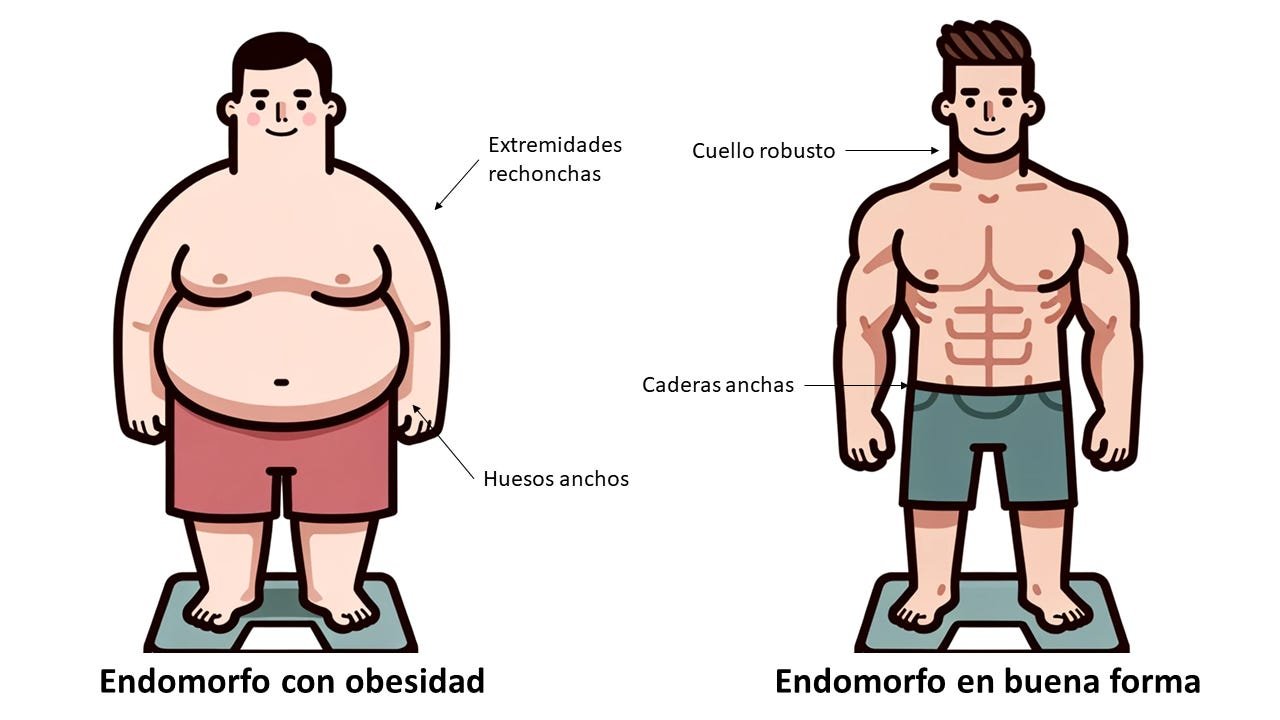
Have you ever heard of the term “endomorfo” and wondered what it means? Endomorfo is a body type classification that describes individuals who tend to store more fat and have a softer, rounder physique compared to other body types. If you often find yourself struggling to lose weight or maintain a slim figure despite your efforts, you might fall into the endomorph category.
Endomorphs typically have a slower metabolism, making it easier for them to gain weight and harder to shed excess pounds. Understanding your body type is crucial in developing a tailored approach to fitness and nutrition that works best for you. In this article, we’ll delve deeper into the world of endomorfo and explore how you can embrace and work with your unique body type to achieve your health and fitness goals.
Characteristics of an Endomorph
Endomorphs exhibit specific physical traits that set them apart from other body types. Understanding these characteristics can help you better identify if you have an endomorph body type. Here are some common features of endomorphs:
1. Higher Body Fat Percentage
Endomorphs tend to have a higher body fat percentage compared to ectomorphs and mesomorphs. This means that even with regular exercise and a balanced diet, they may struggle to achieve a lean and defined physique.
2. Rounder Body Shape
Endomorphs often have a rounder body shape with soft curves. They may carry excess weight around their midsection, hips, and thighs, giving them a more “pear-shaped” or “apple-shaped” appearance.
3. Slower Metabolism
One of the key characteristics of endomorphs is their slower metabolism. This means that their bodies are less efficient at burning calories, making it easier for them to gain weight and harder to lose it.
4. Difficulty Losing Weight
Due to their slower metabolism and higher body fat percentage, endomorphs may find it challenging to lose weight despite their best efforts. They may need to put in extra work to see significant changes in their body composition.
Embracing Your Endomorph Body
While it may seem challenging to be an endomorph, embracing your body type and working with it rather than against it can lead to sustainable and long-term results. Here are some tips on how to embrace your endomorph body:
1. Focus on Strength Training
Strength training is an excellent way for endomorphs to build muscle mass, which can help boost metabolism and support weight loss efforts. Incorporate resistance exercises into your workout routine to build strength and sculpt your body.
2. Prioritize Whole Foods
Nutrition plays a crucial role in managing weight for endomorphs. Focus on eating whole, nutrient-dense foods such as fruits, vegetables, lean proteins, and whole grains. Avoid processed and sugary foods that can lead to weight gain.
3. Stay Active Throughout the Day
In addition to dedicated workouts, make an effort to stay active throughout the day. Take the stairs instead of the elevator, go for walks during breaks, and find ways to incorporate movement into your daily routine. These small changes can add up and support your weight loss goals.
4. Be Patient and Consistent
Remember, progress takes time, especially for endomorphs. Be patient with yourself and stay consistent with your fitness and nutrition habits. Celebrate small victories along the way and focus on the positive changes you’re making for your health.
Embracing your endomorph body type is all about understanding and accepting your unique characteristics. By focusing on strength training, prioritizing whole foods, staying active, and being patient and consistent, you can work with your body type to achieve your health and fitness goals. Remember, everyone’s journey is different, so embrace the process and celebrate the progress you make along the way. Your endomorph body is unique and beautiful—embrace it with confidence!
TUDO QUE UM ENDOMORFO PRECISA SABER !!!
Frequently Asked Questions
What are the characteristics of an endomorph body type?
An endomorph body type is characterized by a higher percentage of body fat, a rounder shape, and a tendency to gain weight easily. Endomorphs typically have a slower metabolism and may find it challenging to lose fat and build lean muscle mass.
How should an endomorph approach diet and exercise?
Endomorphs should focus on a balanced diet that includes lean proteins, complex carbohydrates, and healthy fats. Incorporating regular cardiovascular exercise along with strength training can help boost metabolism and promote fat loss. It is important for endomorphs to be consistent with their diet and exercise routine.
Can an endomorph change their body type through lifestyle choices?
While an individual’s body type is largely determined by genetics, endomorphs can make significant changes to their body composition through lifestyle choices. By following a tailored diet and exercise plan, an endomorph can achieve a healthier body composition with reduced body fat and increased muscle mass.
Final Thoughts
In summary, understanding the endomorph body type is crucial for effective fitness planning. Endomorphs typically have a slower metabolism and may find it challenging to lose weight. By emphasizing a balanced diet and tailored exercise routine, endomorphs can achieve their fitness goals. It’s important for endomorphs to focus on consistency and patience in their journey towards a healthier lifestyle. Remember, every body type is unique, and with dedication, endomorphs can make sustainable changes for long-term well-being.