


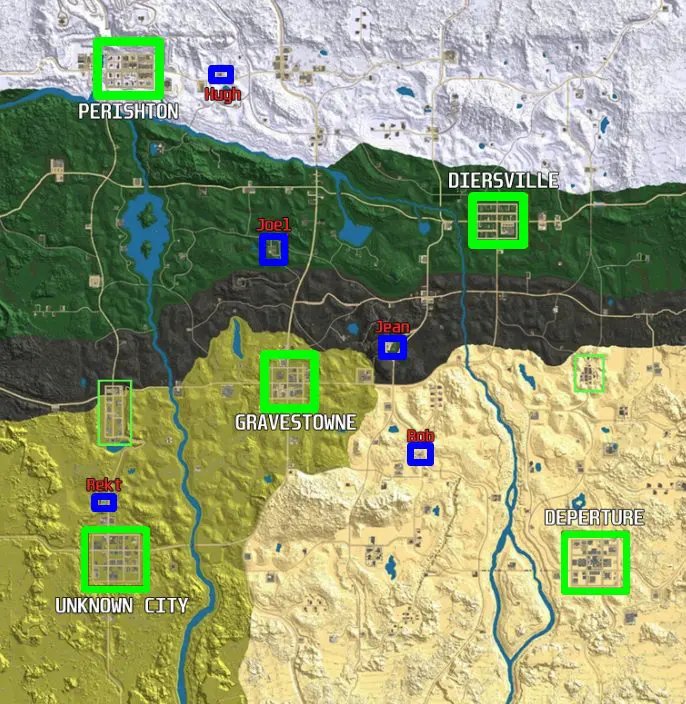
Looking for the ultimate guide to the 7 Days to Die map? You’ve come to the right place! In this article, we’ll explore the ins and outs of the 7 Days to Die map, uncovering hidden treasures, dangerous territories, and essential survival tips. Whether you’re a seasoned player or just starting out, navigating this post-apocalyptic world can be both challenging and exhilarating. So, grab your gear, sharpen your wits, and let’s embark on an epic journey through the 7 Days to Die map!

Exploring the Intriguing 7 Days to Die Map
Welcome, fellow survivors, to the post-apocalyptic world of ‘7 Days to Die’! In this detailed guide, we will delve into the vast and challenging landscape of the game’s map. From desolate wastelands to hidden treasures, the map holds the key to your survival and success in this unforgiving world. Let’s embark on an adventure together as we uncover the secrets of the ‘7 Days to Die’ map.
The Diverse Biomes of Navezgane
When you first spawn into the world of ‘7 Days to Die’, you are greeted by the diverse biomes of Navezgane. Each biome offers a unique set of challenges and resources for players to explore. From the barren deserts to the lush forests, the map is teeming with life and danger at every corner. Let’s take a closer look at some of the key biomes you will encounter:
Desert Biome
The desert biome is a harsh and unforgiving landscape where water and resources are scarce. Be prepared for scorching temperatures and limited vegetation as you navigate this arid region. However, don’t let the harsh conditions discourage you, as the desert is home to valuable resources like oil shale and hidden caves waiting to be explored.
Forest Biome
The forest biome offers a stark contrast to the desert, with abundant vegetation and wildlife. Here, you will find ample sources of wood, plant fibers, and food to sustain yourself. Be wary of lurking zombies and predators that roam the dense forests, ready to pounce on unsuspecting survivors.
Exploring Points of Interest
Beyond the biomes, the map of ‘7 Days to Die’ is dotted with various points of interest that hold valuable loot and resources for intrepid survivors. From abandoned houses to military bases, these locations are ripe for exploration and scavenging. Let’s highlight some of the key points of interest you should keep an eye out for:
Trader Settlements
The trader settlements are safe havens in the chaotic world of ‘7 Days to Die’. Here, you can trade with friendly NPCs, restock your supplies, and even undertake lucrative quests for rewards. Make sure to establish good relations with the traders, as they can be valuable allies in your struggle for survival.
Decayed Cities
The decayed cities are sprawling urban landscapes that have fallen into ruin due to the apocalypse. These cities are prime locations for scavenging valuable resources like building materials, weapons, and food. However, be prepared to face hordes of zombies lurking in the dark alleys and buildings of these once-thriving metropolises.
Surviving the Blood Moon
One of the most challenging aspects of ‘7 Days to Die’ is the Blood Moon, a horde night where waves of zombies descend upon your base in a frenzied assault. To survive the Blood Moon, you must fortify your base, gather supplies, and arm yourself to the teeth. The map plays a crucial role in your survival during the Blood Moon, as strategic positioning and knowledge of the terrain can mean the difference between life and death.
Building Your Own Base
As you traverse the map and scavenge for resources, you will eventually need to build your own base to survive the harsh world of ‘7 Days to Die’. The map offers a plethora of building locations, from secluded forests to rocky cliffs, where you can construct your fortress of survival. Choose your building location wisely, taking into account factors like proximity to resources and defensibility against zombie attacks.
In conclusion, the map of ‘7 Days to Die’ is a vast and intricate landscape that offers endless possibilities for exploration and survival. By mastering the diverse biomes, exploring points of interest, and strategically navigating the terrain, you can increase your chances of thriving in this post-apocalyptic world. Remember, knowledge of the map is key to your survival, so venture forth with courage and determination as you uncover the secrets of ‘7 Days to Die’!
Thank you for joining us on this journey through the intriguing world of ‘7 Days to Die’. May your survival be long and prosperous in the face of the zombie apocalypse!
ALL available maps on 7 Days to Die Console Xbox / PS5
Frequently Asked Questions
What are the different locations players can explore on the 7 Days to Die map?
Players can explore a variety of locations on the 7 Days to Die map, including cities, towns, radiation zones, farms, forests, caves, and military bases. Each location offers unique resources, challenges, and opportunities for survival.
How do players navigate the 7 Days to Die map efficiently?
Players can navigate the 7 Days to Die map efficiently by using the in-game map and compass, paying attention to landmarks, setting waypoints, and exploring different areas to uncover hidden treasures and strategic points of interest. Additionally, utilizing vehicles can help players cover more ground quickly.
What dangers can players encounter while exploring the 7 Days to Die map?
Players can encounter various dangers while exploring the 7 Days to Die map, such as wandering hordes of zombies, hostile wildlife, environmental hazards like traps and mines, and aggressive factions or players in PvP modes. Keeping an eye out for threats and staying prepared is crucial for survival.
Final Thoughts
In conclusion, exploring the vast 7 Days to Die map offers endless possibilities for survival and adventure. Players can navigate diverse terrains, scavenge resources, and build fortified bases to withstand the zombie hordes. The dynamic world constantly challenges and rewards strategic planning. The 7 Days to Die map serves as a key element in immersing players into the post-apocalyptic setting, encouraging exploration and creativity.